Best Way to Cook a Sirloin Steak: A Northern Michigan Farmer’s Guide
Most folks treat a sirloin like a second-rate cut, but that's a mistake. It's actually one of the most flavorful steaks you can put on a cast iron pan. If you've ever struggled with a piece of meat that came out tough or gray, you know how disappointing it feels to ruin a good meal. We believe the best way to cook a sirloin steak is to respect its lean nature rather than fighting against it. Whether you're cooking for a quiet Tuesday night in Frankfort or a big family Sunday in Traverse City, we want you to feel confident every time you fire up the stove in Northern Michigan.
We understand the frustration of inconsistent results. It's far too easy to overcook a leaner cut, leaving it dry and chewy for the kids. This guide will teach you our simple farm techniques to get a perfect, juicy sear every single time. We'll cover everything from the importance of bringing your beef to room temperature to the final, savory butter baste. By the time you're finished reading, you'll be able to turn a farm-fresh sirloin from our pastures near Honor into a meal that rivals any high-end steakhouse.
Key Takeaways
- Mastering the best way to cook a sirloin steak starts with choosing the right cut and letting it rest properly after it leaves the heat.
- Learn why tempering your meat and keeping it bone-dry are the essential secrets to achieving a restaurant-quality crust in your own kitchen.
- Follow our simple stove-to-oven technique to ensure a perfect edge-to-edge finish without overcooking the lean center of the steak.
- Avoid common errors like constant flipping or cutting the meat too soon; a full ten minutes of patience makes all the difference in tenderness.
- Discover the flavor difference of grain-finished beef sourced right here in Benzie County compared to standard grocery store options.
What is Top Sirloin and Why It’s a Northern Michigan Favorite
Top sirloin is the most tender section of the sirloin subprimal. When we look at the internal anatomy of What is Sirloin Steak, we are specifically targeting the muscle that sits just below the tenderloin. It's a staple in Northern Michigan kitchens because it offers a massive, honest beefy flavor without the premium price tag of a ribeye or filet. However, there's a significant difference between the top and bottom cuts. We only recommend top sirloin for individual steaks. The bottom sirloin is much tougher; we usually reserve those portions for slow-cooked roasts or grinding into burger meat for a summer cookout in Frankfort.
Sirloin is naturally lean. It's a high protein cut with a robust profile that defines traditional American beef. Because it lacks the heavy fat cap found on other steaks, the best way to cook a sirloin steak involves managing its internal moisture with care. This is where our Northern Michigan grain-finished beef makes a real difference. While grass-finished beef can sometimes be too lean and turn dry on the grill, our grain-finishing process in Benzie County adds just enough fine internal marbling. These tiny flecks of fat act as a built-in baste, keeping the meat juicy and tender even under the high heat of a cast iron skillet.
The Difference Between Farm-Fresh and Store-Bought
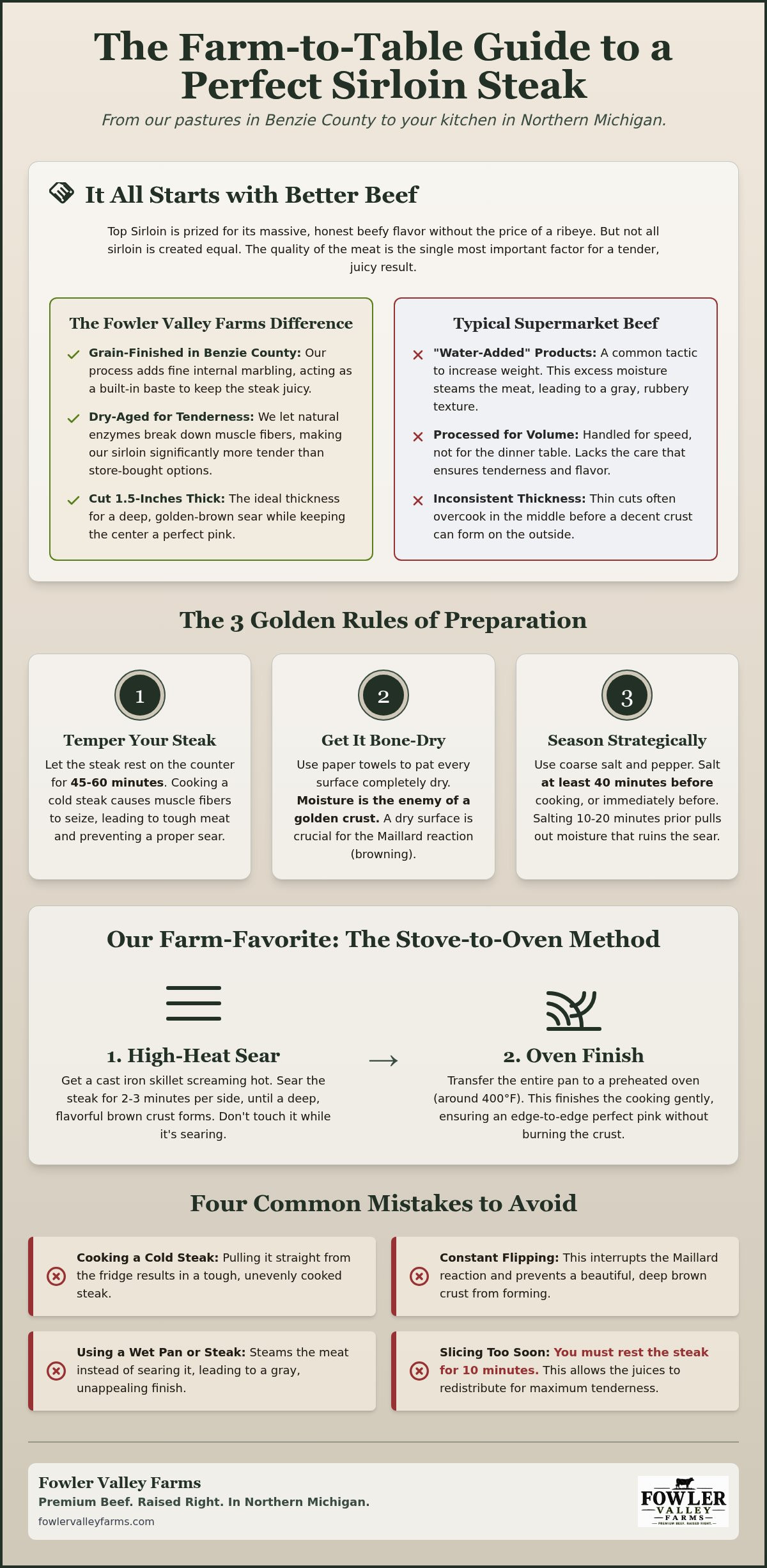
Most supermarket beef is processed for speed and volume, not for the dinner table. You'll often find "water-added" labels on big-box store meat. This is a tactic used to increase weight, but it ruins your sear. When that excess water hits a hot pan, it steams the meat instead of browning it, resulting in that gray, rubbery texture that many folks struggle with. At Fowler Valley Farms, we focus on the integrity of the process. We dry-age our beef to allow natural enzymes to break down muscle fibers. This makes our sirloin significantly more tender than anything you'll find in a plastic tray in Traverse City. You can see the quality for yourself in our individual cuts, which are handled with a level of care that corporate processors simply can't match.
Selecting the Right Thickness
The thickness of your steak dictates your success in the kitchen. We recommend a 1.5-inch cut as the best way to cook a sirloin steak. A thinner steak often overcooks in the middle before you can ever develop a decent crust on the outside. A 1.5-inch steak gives you enough room to achieve a deep, golden-brown sear while keeping the center a perfect, cool pink. When you're using our Build Your Own Beef Box, look for steaks with consistent thickness from edge to edge. This ensures the meat cooks evenly, whether you're searing it on a stovetop in Honor or over a charcoal grill in Leelanau County. Visual cues are simple: look for a deep cherry-red color and fine white streaks of marbling throughout the muscle.
Preparing Your Steak for the Perfect Sear
You shouldn't pull a steak straight from the fridge and toss it into a hot pan. We call this the tempering rule. A cold steak causes the muscle fibers to seize up the moment they hit the heat, which often leads to a tough, chewy result. It also drops the temperature of your skillet, preventing that beautiful crust from forming. Leave your meat on the counter for about 45 to 60 minutes to take the chill off. We've found this is the best way to cook a sirloin steak because it ensures the center reaches the right temperature without the outside burning.
Moisture is the enemy of a golden crust. Use a few paper towels to pat every inch of the meat until it's bone-dry. If there's water on the surface, the heat from your stove will spend all its energy evaporating that liquid instead of browning the beef. That browning is known as the Maillard reaction. It's where the deep, savory flavor lives. Without a dry surface, you're essentially steaming the meat, which results in a gray and unappealing finish.
We keep our seasoning simple because high-quality, grain-finished beef doesn't need much help. Coarse sea salt and cracked black pepper are the standard in our kitchen. Salt should be applied at least 40 minutes before cooking or immediately before. If you salt it 10 minutes before, the salt pulls moisture to the surface but hasn't had time to let the meat reabsorb it. This creates a wet surface that ruins your sear. By salting early, the seasoning penetrates deep into the fibers, enhancing the natural beefy flavor of the cut.
Thawing Your Beef Properly
Moving a steak from the freezer to the fridge 24 hours in advance is the gold standard for safe beef handling practices. Never use a microwave to thaw premium meat. It cooks the edges while the middle stays frozen, which destroys the texture. Once thawed, a sirloin from our beef boxes stays fresh for 3 to 5 days in a cold refrigerator, making it easy to plan a mid-week meal in Traverse City.
Choosing the Right Skillet
In our Benzie County farm kitchen, cast iron is the only way to go. It holds heat better than any other material, which is vital for a heavy sear. Stainless steel is a decent second choice, but you should avoid non-stick pans. They can't handle the high heat required and often release unpleasant fumes. Use an oil with a high smoke point like avocado or grapeseed oil to prevent a smoky kitchen. If you're ready to test your skills, you can find the perfect cuts in our Build Your Own Beef Box to get exactly what your family enjoys.
The Stove-to-Oven Method: Our Recommended Technique
When the snow starts piling up in Traverse City or the wind off Lake Michigan in Frankfort gets too biting, we move our cooking to the kitchen. Grilling is great, but the Stove-to-Oven Method is the best way to cook a sirloin steak when you want total control over the temperature. This technique allows you to build a thick, savory crust on the stove and finish the middle gently in the oven. It prevents the outside from becoming charred and bitter while the inside stays tender. Start by preheating your oven to 400°F and getting your cast iron skillet smoking hot on the burner with a high-smoke point oil.
Lay your seasoned steak into the skillet. You should hear a loud, aggressive sizzle immediately. Sear the meat for about two minutes per side until you see a signature golden-brown crust. Once you flip the steak, it's time for the butter baste. Drop in two tablespoons of farm-fresh butter, a few smashed garlic cloves, and a sprig of fresh thyme. As the butter foams, tilt the pan and use a large spoon to bathe the steak in the hot fat. This step adds a layer of richness that lean sirloin needs. After basting, transfer the entire skillet into the oven to finish the cooking process.
The Art of the Butter Baste
Timing is everything when it comes to the baste. If you add the butter too early, the milk solids will burn and leave a bitter taste on your individual cuts. We wait until the final minute of the stovetop sear. Using a spoon to bathe the steak in aromatics isn't just for show. It creates a deep, nutty flavor profile that penetrates the meat. For leaner cuts like top sirloin, this extra fat is critical for a succulent mouthfeel that rivals much more expensive steaks.
Internal Temperature Guide for Sirloin
Precision is the difference between a great meal and a tough one. While the USDA recommends a minimum internal temperature of 145°F followed by a 3-minute rest for safety, many of our neighbors in Benzie County prefer their steak medium-rare. We suggest pulling the steak from the oven when it hits 130°F. Remember that carryover cooking will cause the temperature to rise about five degrees while the meat rests on the board. We always use a digital thermometer to ensure we pull the meat at the exact moment. Our general guide for doneness includes:
- Rare: 120-125°F (Pull at 115°F)
- Medium-Rare: 130-135°F (Pull at 125°F)
- Medium: 140-145°F (Pull at 135°F)
If you're looking for the right meat to practice this method, our beef boxes provide consistent, grain-finished quality that holds up perfectly under high heat.
Avoiding Common Mistakes: Why Sirloin Gets Tough
We see folks make the same few mistakes over and over again when they're learning the best way to cook a sirloin steak. The first is the "no-peek" rule. It's tempting to keep lifting the meat to check the color, but you have to leave it alone. Every time you flip or move the steak, you interrupt the heat transfer and prevent that deep crust from forming. Trust the process. If your skillet is hot, that sear is happening. Moving it constantly is a surefire way to end up with a gray, unappetizing surface instead of a restaurant-quality finish.
The most painful mistake we see is cutting into the meat the second it leaves the pan. We recommend at least 10 minutes of patience. When beef cooks, the muscle fibers tighten and push the juices toward the center. If you slice it immediately, those juices will pour out onto your cutting board, leaving the steak dry and tough. By letting it rest, the fibers relax and the moisture redistributes throughout the entire cut. This step is non-negotiable for a juicy result, especially with the leaner grain-finished beef we raise here in Benzie County.
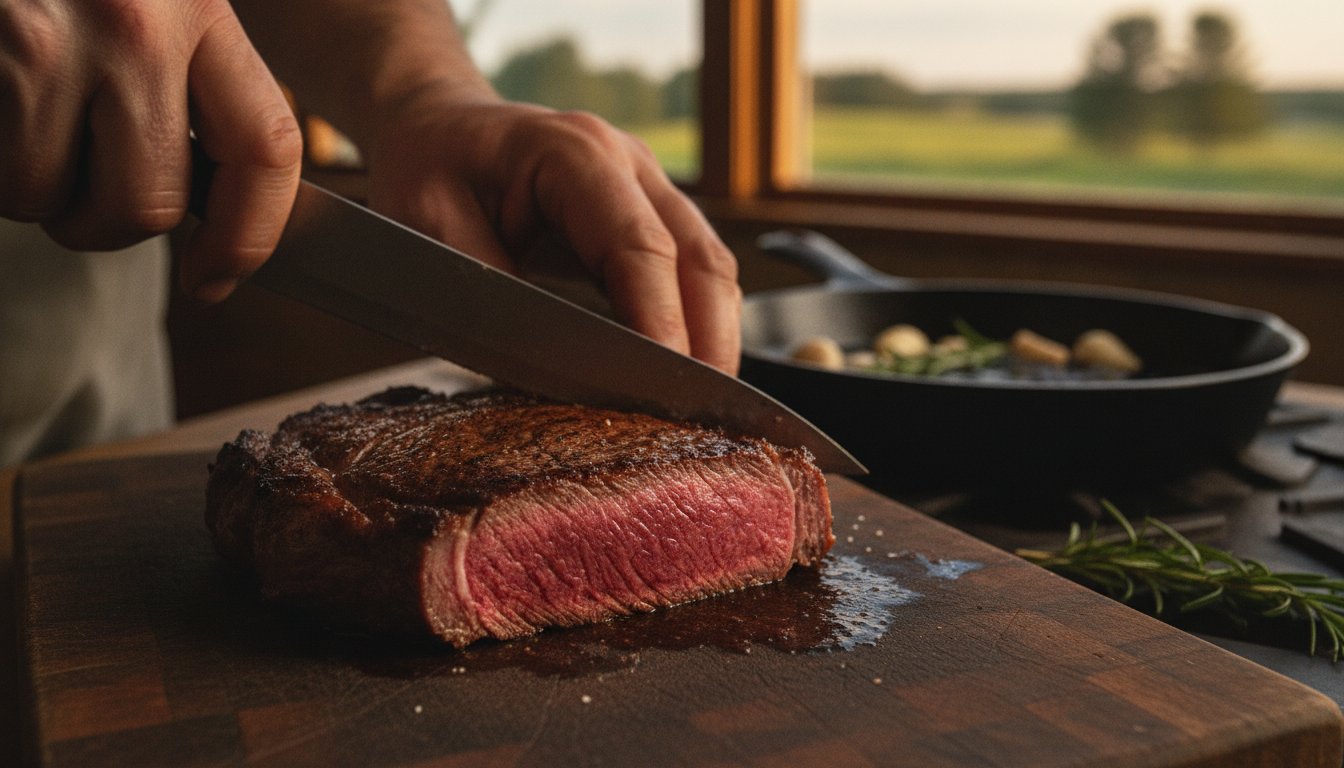
Finally, your knife work matters just as much as your stove work. You must slice the meat against the grain. Look for the direction the muscle fibers are running and cut perpendicular to them. Slicing against the grain shortens muscle fibers for easier chewing. It's the difference between a steak that feels melt-in-your-mouth tender and one that feels like a chore to eat. Even a perfectly cooked piece of meat will feel tough if it's sliced the wrong way.
Troubleshooting a Gray Steak
If your steak looks gray and boiled rather than browned, your pan wasn't hot enough or you overcrowded the skillet. Putting two or three large steaks in a single pan drops the temperature too fast. The meat starts to release liquid, and because there isn't enough heat to evaporate it instantly, the steak steams in its own juices. Cook in batches if you have to. It's better to eat in shifts than to ruin a prime cut of beef from our pastures near Honor. Always ensure the surface of the meat is bone-dry before it touches the oil.
How to Fix an Overcooked Steak
Mistakes happen to the best of us. If you accidentally leave the steak in the oven too long, don't throw it out. Slice it thin and use it for steak sandwiches or a fresh salad. You can also make a quick compound butter with garlic and parsley to add some much-needed moisture back to the plate. Because our local delivery services Traverse City and Frankfort, you can always keep a fresh backup in the freezer for next time. If you're ready to try again with a fresh cut, order our individual cuts to get back in the kitchen with confidence.
Sourcing the Best Sirloin in Northern Michigan
Understanding where your food comes from is just as important as how you prepare it. When you buy from a grocery store in Traverse City, you're often getting beef that has traveled thousands of miles and passed through dozens of hands. We believe there's a better way. By knowing your farmer, you gain transparency that a plastic-wrapped tray simply can't offer. Our cattle are raised with a focus on quality and integrity; we make sure every cut we produce meets the high standards our neighbors expect.
The best way to cook a sirloin steak starts with the quality of the marbling. While some prefer grass-finished beef, we've found that grain-finishing is the secret to a consistent, juicy steak. This process adds fine white flecks of fat throughout the muscle. These flecks baste the meat from the inside out the moment it hits the pan. It's especially important for a lean cut like top sirloin, which can turn dry without that extra bit of internal fat. Supporting local agriculture in Honor, Frankfort, and throughout Benzie County means you're investing in a product that hasn't been compromised for the sake of industrial efficiency.
The Convenience of Local Delivery
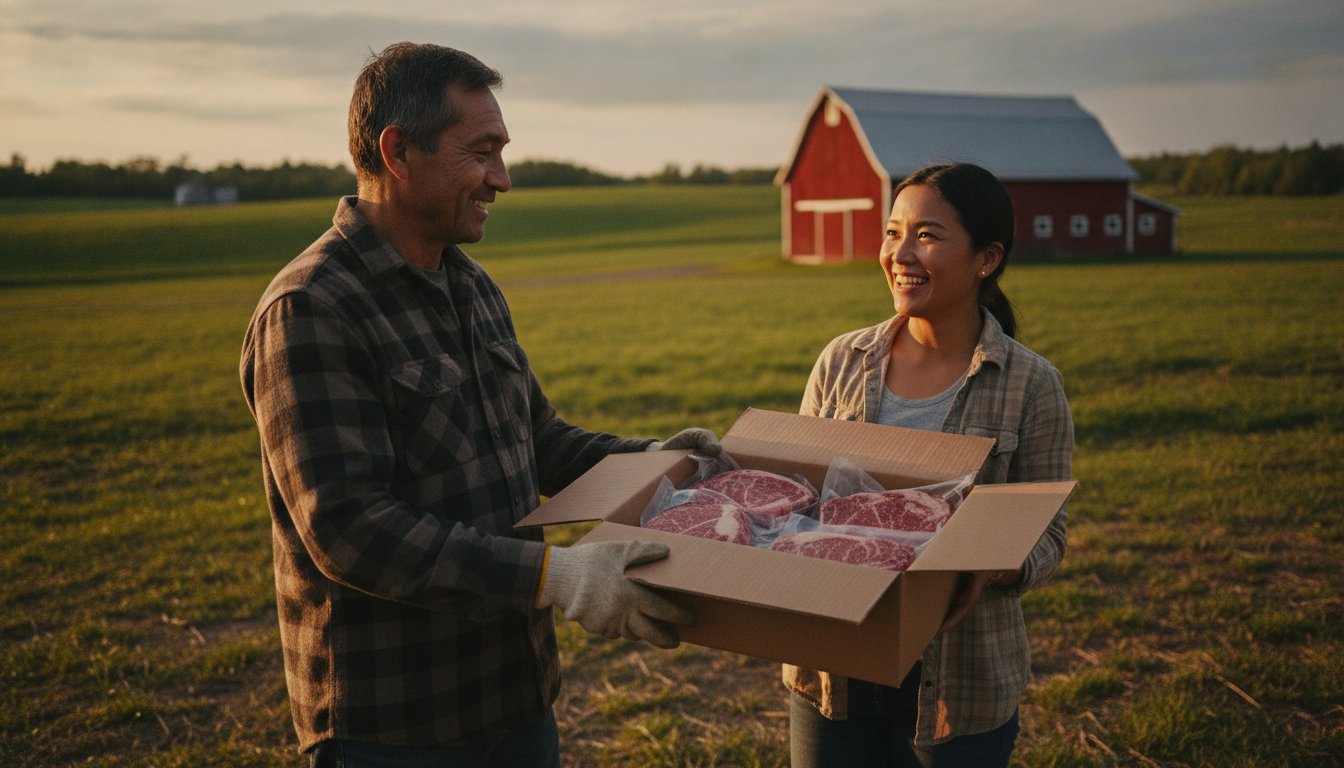
We know life gets busy, and making a trip out to the farm isn't always feasible. That's why we've made it a priority to bring the farm to you. We offer local delivery directly to your door in Leelanau County and as far south as Grand Rapids. This freshness advantage is significant. Instead of sitting in a warehouse, your beef goes from our farm to your freezer with minimal stops in between. You can learn about our local beef delivery service to see how we make stocking your kitchen simple and reliable.
Customizing Your Beef Box
Every household has different needs, so we don't believe in a one-size-fits-all approach. Our system allows you to pick exactly what goes into your freezer. Whether you want to load up on top sirloins for a summer of grilling or you need to mix in some of our heritage pork and pasture-raised chicken, the choice is yours. This flexibility ensures you always have the right ingredients for your family’s meal plan without any waste. You can build your own beef box today and start experiencing the difference that farm-fresh, Northern Michigan beef makes on your dinner table.
Bring Farm-Fresh Quality to Your Dinner Table
Mastering the kitchen starts with understanding the meat on your cutting board. By focusing on simple fundamentals like tempering and the stove-to-oven method, you've already taken the most important steps toward a better meal. We believe the best way to cook a sirloin steak is to treat it with the same care we use when raising our cattle here in Benzie County. When you start with grain-finished beef that has superior marbling, the results speak for themselves.
We take great pride in being your neighbors and providing family-raised beef that you can trust. Whether you're in Traverse City or Frankfort, we want to make it easy for you to stock your freezer with cuts that perform every time. We offer free local delivery on qualifying orders to ensure you get the freshest meat possible without the grocery store hassle. You can count on us for quality that lasts and flavor that brings the whole family together.
Build your own custom beef box and get sirloin delivered to your Traverse City home today. We look forward to being a part of your next family dinner.
Frequently Asked Questions
Is sirloin steak a good cut for grilling in Northern Michigan?
Sirloin is a fantastic choice for the grill, especially during those long summer evenings in Frankfort. Because it's a leaner cut, it takes to high heat very well. We recommend keeping a close eye on the temperature so it doesn't dry out in the wind off Lake Michigan. It's often the best way to cook a sirloin steak when you want that classic charred flavor for a family cookout.
How long can I store sirloin steak from my beef box in the freezer?
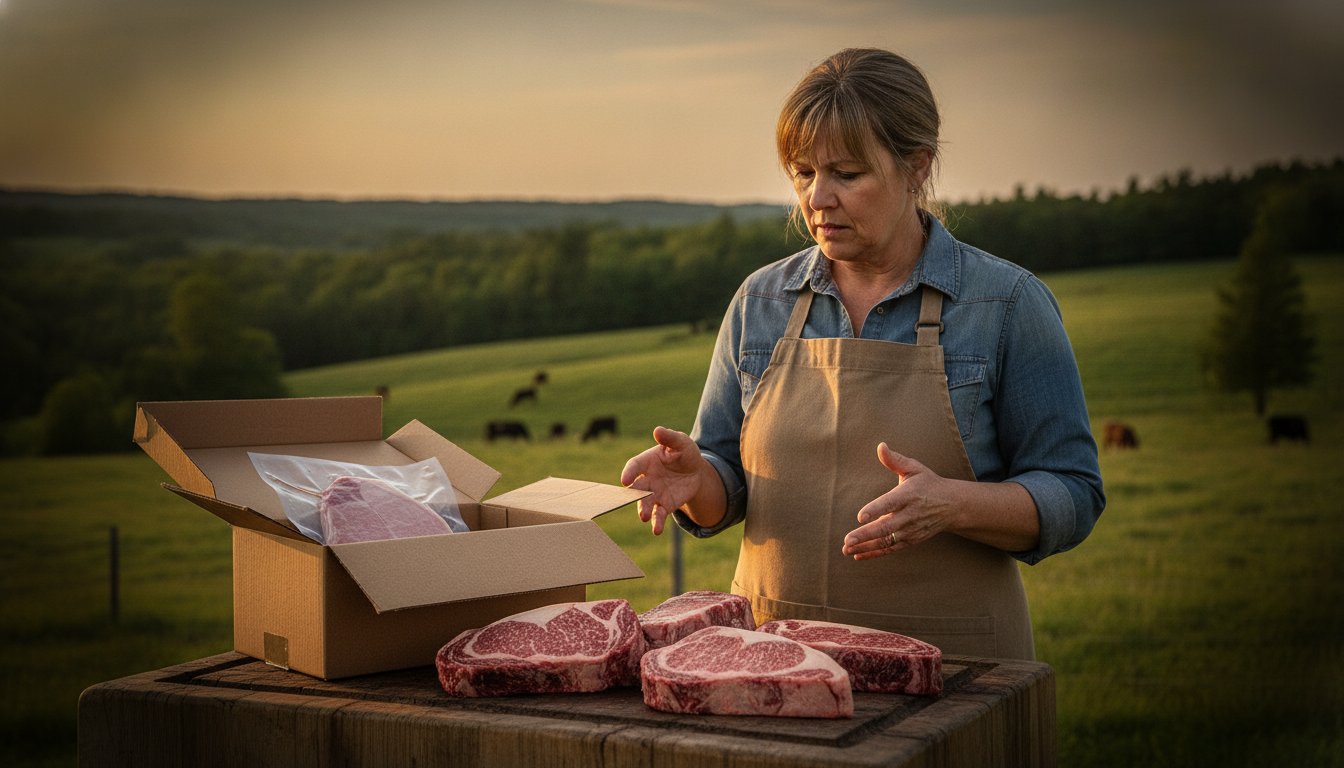
When you receive your beef box via our local delivery in Traverse City, the steaks come vacuum-sealed for maximum freshness. You can safely store these cuts in your freezer for up to 12 months without losing quality. We suggest labeling them with the date so you always use the oldest cuts first. This ensures you always have a farm-fresh meal ready, even during the deepest winter months in Leelanau County.
What is the difference between top sirloin and sirloin tip?
These two cuts come from different parts of the animal. Top sirloin is a tender steak cut perfect for searing in a pan. The sirloin tip actually comes from the round section near the hindquarter. It's much tougher and lean, making it better for slow-cooked roasts or beef stew rather than a quick sear. We always recommend top sirloin for those looking for a traditional steak experience in Benzie County.
Can I cook a sirloin steak in an air fryer?
You can cook it in an air fryer, but we don't think it's the best way to cook a sirloin steak if you want a true crust. Air fryers use circulating air which can dry out lean beef quickly. If you're in a rush in Honor, use a meat thermometer. However, you'll miss out on the deep, savory Maillard reaction you get from a heavy cast iron skillet.
Should I marinate my sirloin steak before cooking?
High-quality, grain-finished beef from our farm doesn't need a heavy marinade to be tender. We prefer a simple dry brine of coarse salt and pepper. If you do choose to marinate, keep it brief, about 30 minutes to two hours. Over-marinating can actually break down the muscle fibers too much, turning a good Traverse City steak into something with a mushy, unpleasant texture on the plate.
What are the best side dishes for a farm-fresh sirloin steak?
We love pairing our steaks with whatever is in season at the local stands in Leelanau County. Roasted red potatoes with rosemary or grilled asparagus are classic choices that don't overshadow the beef. For a savory addition, sautéed mushrooms are always a favorite; you can even grow your own at home with an all in one mushroom grow kit to match the farm-to-table quality of your beef. During the fall, a side of honey-glazed carrots or a crisp apple salad using fruit from near Frankfort works beautifully. Simple sides allow the robust, beefy flavor of our grain-finished sirloin to remain the star of your meal.