How to Avoid Freezer Burn on Meat with Tighter Wrapping
Freezer burn can leave meat with dry, gray-brown patches and a tougher texture, even when the rest of the package looks fine. For cooks in Northern Michigan, learning how to avoid freezer burn on meat means using practical steps such as portioning, tight wrapping, and keeping the freezer temperature steady. This guide explains what freezer burn looks and tastes like, why it happens, and how to help preserve meat quality in your freezer.
Key Takeaways
- Spot dry, gray-brown patches and leathery texture as signs that meat may have freezer burn.
- Divide meat into meal-sized portions and wrap each piece closely to limit air exposure.
- Keep the freezer at 0°F, the temperature recommended by the United States Department of Agriculture, and avoid frequent temperature swings.
- Learn how freezer storage affects meat’s quality, even when food stored at 0°F remains safe to eat.
- Explore Fowler Valley Farms beef boxes, subscriptions, and local delivery for Northern Michigan households.
How to Wrap Meat to Reduce Freezer Burn
Freezer burn often appears as dry, pale patches on meat’s surface. Beef and pork may develop dull gray-brown or brown areas that look different from the surrounding meat. Affected spots can feel tough, dry, or leathery. This happens when moisture escapes the outer layers of frozen food exposed to cold, dry air. Learning how to avoid freezer burn on meat starts with recognizing these signs and protecting the surface from air.
Freezer burn can change flavor and texture as well as appearance. An affected patch may taste dry or less pleasant, while the rest of the cut may retain more of its original quality. Freezer burn cannot be reversed, but you can trim visibly affected areas before cooking. Check the meat after thawing and assess how much of the surface is dry. A small patch and a large leathery area may need different amounts of trimming, but appearance alone doesn’t reveal the meat’s full storage history.
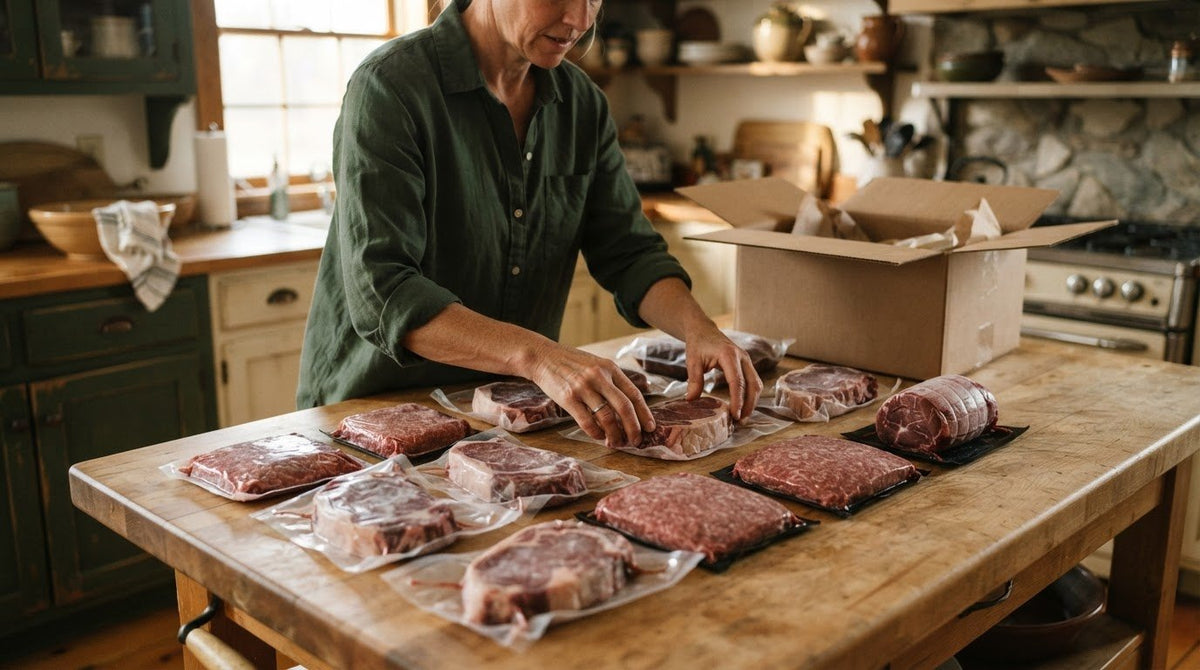
Prepare portions before freezing. Separate a family-sized package into amounts you can cook for one meal, such as individual steaks or several burger portions. Smaller packages let you thaw only what you need, reducing the chance of having leftovers thawed and refrozen. Use the same approach for fish portions. Keep each serving separate so you can remove one package without handling or exposing the others.
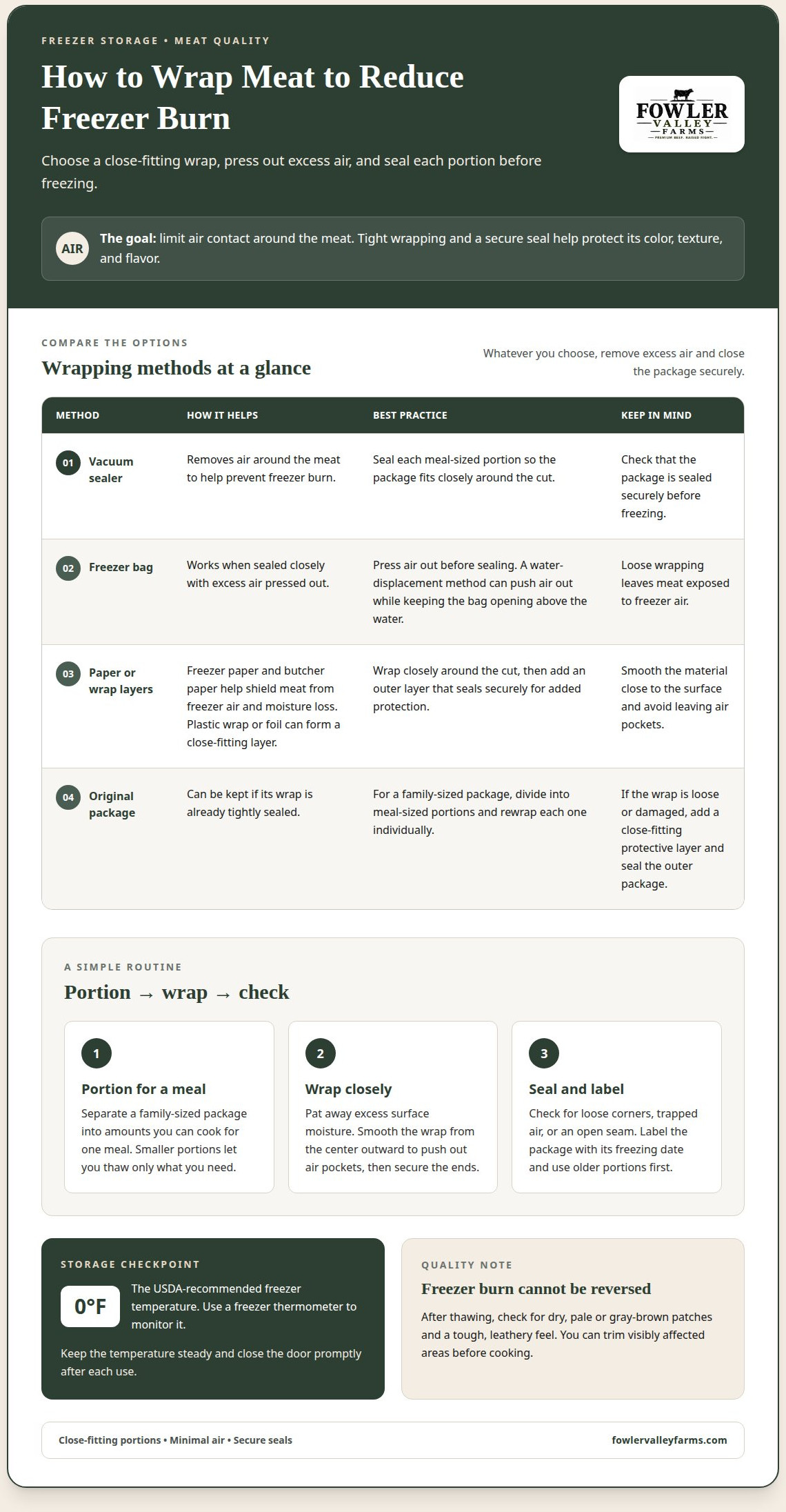
- Pat away excess surface moisture so the wrapping lies close against the cut.
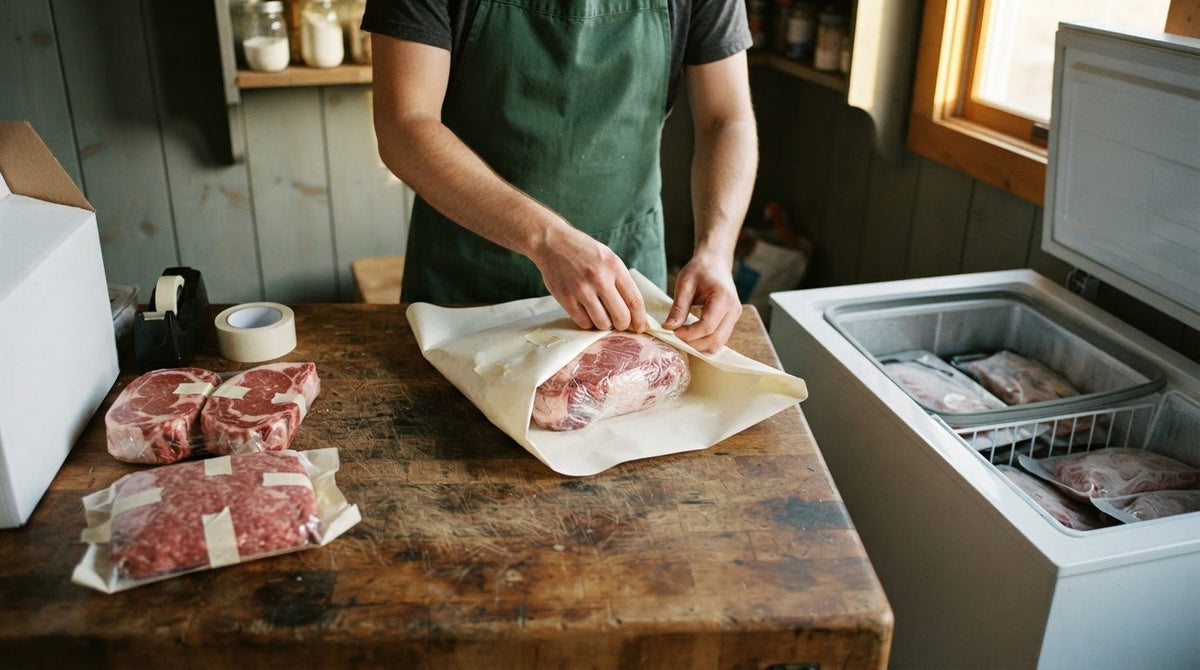
- Wrap each portion snugly, smoothing the material from the center outward to push out air pockets.
- Fold or twist the ends closed, then secure them so they don’t loosen in the freezer.
- Place the wrapped portion in a freezer bag or secure outer layer, and press out trapped air before sealing.
Wax freezer paper and butcher paper can help shield meat from freezer air and moisture loss. Plastic wrap or foil can also form part of a close-fitting protective layer. For added protection, wrap the cut first, then add an outer layer that seals securely. The goal isn’t simply to cover the meat: the wrapping should follow its shape and leave as little space as possible between the surface and the package.
Vacuum sealers can help prevent freezer burn by removing air around meat. Freezer bags can work too when sealed closely; a water-displacement method can push air out while keeping the bag’s opening above the water. Either way, loose wrapping leaves meat exposed. Choose a method that removes excess air, seals securely, and keeps each portion protected in storage.
Keep meat in its original package only if the wrap is tightly sealed, with no tears, loose folds, or obvious air pockets. For family-sized packages, divide the meat into portions and rewrap them individually before freezing. If the original wrap is loose or damaged, add a close-fitting protective layer and seal the outer package. Repackaging also creates meal-sized portions, so you don’t have to thaw one large block at a time.
Recommended freezer storage times vary from one month to one year, depending on the food. Since the appropriate time differs by type of meat, label each package with its freezing date and use older portions first. Clear dates also make it easier to spot packages pushed behind newer purchases.
Before putting a package in the freezer, check for a loose corner, trapped air, or a seam that might open. A steak with tight wrapping and sealed edges has less direct contact with freezer air than one in a slack bag. This final check helps protect the meat’s color, texture, and flavor during storage.
For anyone learning how to avoid freezer burn on meat, the key is to combine portioning with protective packaging. Portioning means you thaw only what you need, while tight wrapping limits air exposure around each cut. Label packages to rotate them, and check each seal before storage. These small steps help keep meat organized and preserve its quality until you’re ready to cook.
Both methods can help protect meat from freezer burn. Vacuum sealers remove air around the meat, while freezer bags work when sealed closely with excess air pressed out.
What Freezer Temperature Helps Prevent Freezer Burn?
A steady freezer temperature helps protect meat’s quality. The United States Department of Agriculture recommends a freezer temperature of 0°F (0F) to help reduce the risk of freezer burn. That target matters because temperature swings can affect frozen food over time. A freezer that repeatedly warms and cools may contribute to freezer burn, especially when packaging also lets air reach the meat.
According to the United States Department of Agriculture, food stored at 0°F in a freezer is safe to eat, although it may not be appetizing. Safety and quality are different questions: freezer burn can dry the surface and affect flavor or texture. A package can remain safe while its contents become less appealing. Keep the freezer at the recommended temperature, and protect meat with packaging that limits air exposure.
Use a freezer thermometer to see whether the appliance is holding close to 0°F. Place it where you can read it easily, then check it at different times rather than relying only on the control dial. The dial sets the appliance; a thermometer gives you a temperature reading. If the freezer runs warmer than its setting suggests, adjust the control gradually and allow time for the temperature to stabilize.
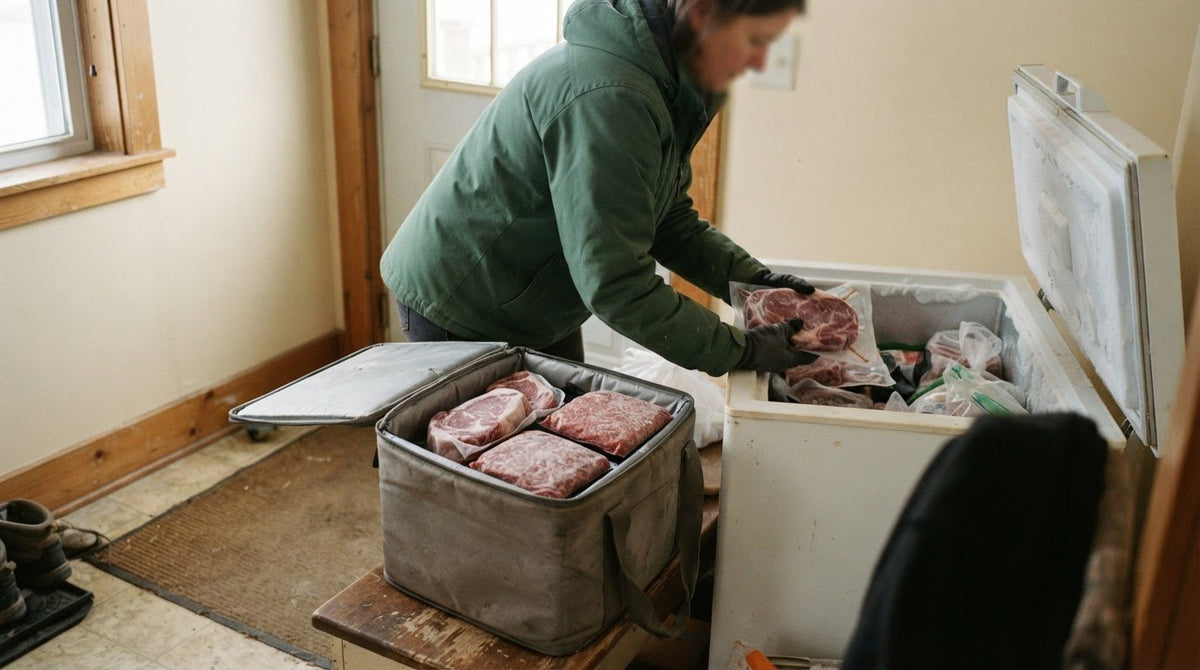
Consistency matters once the freezer is at its target temperature. Every time the door opens, warmer air enters and the temperature can shift. Close the door promptly after adding or removing food, rather than leaving it open while sorting packages. When putting groceries away, prepare portions first, then open the freezer once and place them inside efficiently.
Freezing food quickly also helps preserve quality. Faster freezing produces smaller ice crystals, which are less likely to contribute to freezer burn. Leave room around newly added packages so cold air can circulate instead of packing every shelf tightly. An overfilled freezer takes longer to reach the needed temperature, increasing the risk of freezer burn. Add food in manageable amounts rather than crowding the compartment all at once.
For steady storage, build a simple routine around the freezer door and its contents:
- Keep the setting aimed at 0°F and use a thermometer to monitor the temperature.
- Limit door openings, and close the door promptly after each use.
- Make space before adding a large batch of meat, rather than stacking packages tightly.
- Arrange packages so you can find the next cut without shifting everything on a shelf.
- Check that the door closes fully after loading; a package caught near the seal can prevent closure.
Organization supports steady temperatures. Group beef cuts together and keep frequently used packages easy to reach, so you spend less time searching with the door open. If the shelves are crowded, keep a written or digital freezer inventory. A note such as “ground beef, top shelf” can help you find a package quickly without moving other frozen food around.
Temperature fluctuations can have causes beyond frequent door opening. A door that doesn’t seal fully, an overcrowded compartment, or a large load added at once can make it harder for the freezer to maintain its target temperature. Make sure packages aren’t wedged against the door. Leave enough room for the door to close fully, and avoid stacking food so tightly that air cannot move between packages.
If food starts to soften or thaw, restore a steady temperature and avoid repeatedly opening the door. Frozen food exposed to temperature changes may lose quality, particularly when its wrapping is loose. Once the freezer is stable, keep packages protected and use older portions first. Freezing dates help you rotate food without handling every item repeatedly.
Think of temperature and packaging as two parts of the same safeguard. A freezer set to 0°F helps reduce the risk of freezer burn, while tight wrapping limits the meat’s contact with dry freezer air. Neither step replaces the other. Keep the appliance steady, leave room for air circulation, and avoid long door openings. Those habits help preserve the quality of frozen meat from storage through thawing.
Northern Michigan Beef Delivery from Fowler & Valley Farms
Fowler Valley Farms helps Northern Michigan households stock their freezers with beef. Learning how to avoid freezer burn on meat doesn’t end with wrapping: the way you organize packages after delivery matters, too. Our beef arrives frozen in an insulated box with ice packs. Once it’s home, put the packages in the freezer and arrange them so you can find each cut without leaving the door open.
For local buyers, delivery serves Benzie, Leelanau, and Grand Traverse counties, including Traverse City, Frankfort, and Honor. Local delivery takes place on Fridays, and orders are due by Thursday. Saturday pickup is available in Honor. Plan ahead so you can move the beef into the freezer promptly instead of leaving it out while making room. Clear a shelf before delivery or pickup, and decide where each package will go.
Before delivery, group packages by the meals you expect to make. Keep cuts you plan to use sooner within easy reach, and put the others behind them. This simple arrangement helps you avoid holding the freezer open while sorting through a stack. If your freezer is crowded, make room beforehand. A packed compartment can take longer to return to its target temperature after new food is added.
Our beef boxes give households a way to stock several cuts together. A box may suit a home cook who wants options for different meals without selecting each cut separately. Think about the space available and the kinds of meals you regularly prepare before choosing how to stock up. Once the beef arrives, keep packages easy to reach and avoid piling them where they might block the freezer door.
Some households prefer a recurring supply, while others want to choose beef at their own pace. Beef Subscriptions provide a recurring ordering option, and a Build Your Own Beef Box lets you shape a selection around your household’s needs. Planning how much beef to bring home can make freezer organization easier. Keep an inventory on paper or in your phone, noting each cut and its freezing date. You’ll be able to find what you need and use older packages first.
We also ship nationwide, with orders shipping Monday and Tuesday. Shipped packages arrive frozen in insulated boxes with ice packs. Move the beef into your freezer after it arrives, leaving room around packages for air to circulate. Don’t wedge a package near the door seal, where it could prevent the door from closing fully. These practical steps help keep storage orderly after delivery, whether you’re in Traverse City or farther away.
Good storage habits begin before delivery day. Check your freezer temperature, clear a path to the shelf, and decide where the packages will go. After putting the beef away, close the door fully and avoid reopening it while you decide what to cook. If you’re working through several packages, use your inventory to find a cut before opening the freezer. A simple routine helps maintain steady storage conditions.
Choose the purchasing option that suits your routine and freezer space. Beef Boxes work for households that want several cuts at once. A Build Your Own Beef Box lets you select beef for the meals you have in mind, while Beef Subscriptions offer a recurring way to order. However you stock up, the next step in learning how to avoid freezer burn on meat is to keep packages organized and sealed until you’re ready to use them.
For Northern Michigan buyers, local delivery connects households in Traverse City, Frankfort, Benzie County, and Leelanau County with beef from our farm. Friday delivery and Saturday pickup in Honor give local customers options for receiving orders. Make room in the freezer ahead of time so you can put the packages away promptly. The routine is simple: prepare a space, store the beef, and keep the freezer door closed between uses.
If you have a question about delivery, contact Fowler Valley Farms.
Fowler Valley Farms for Your Freezer
Fowler & Valley Farms offers Beef Boxes and Individual Cuts. Once you know how to prevent freezer burn and are ready to stock your freezer, explore these options.
Choose a Build Your Own Beef Box or Beef Subscriptions to find an option that suits your needs. Local Delivery is also available.
Frequently Asked Questions
Freezer Burn: What Is It and How Can You Prevent It?
Freezer burn is moisture loss from frozen food exposed to cold, dry air. On meat, it may appear as dry gray-brown patches and cause a tougher texture or less pleasant flavor. Prevent it by keeping packages sealed, removing excess air, and maintaining a steady freezer temperature. For example, check for a loose package seam before storing meat, especially if it will stay in the freezer for a while.
Can You Eat Freezer-Burned Foods?
Freezer-burned food is usually safe to eat, though its texture and flavor may suffer. The condition affects quality, not necessarily safety. Consider how the food was stored, not just its appearance: food kept frozen at 0°F is safe to eat, according to the United States Department of Agriculture. If you choose to cook freezer-burned meat, trim visibly dry areas first and expect those portions to be less enjoyable.
What Causes Freezer Burn on Meat?
Freezer burn develops when moisture leaves meat’s outer surface after exposure to cold, dry air. Gaps or loose seals let air reach the meat, while temperature changes and long storage can also affect quality. For instance, meat in a torn wrapper near the freezer door is more exposed than a well-sealed package stored farther inside. Tight packaging and steady conditions help reduce these risks.
How Should Meat Be Wrapped to Prevent Freezer Burn?
Wrap each cut closely, pressing the material against the meat to reduce air pockets. Wax freezer paper or butcher paper can help shield meat from freezer air; an outer freezer bag or another secure layer adds protection. For example, wrap two steaks individually before placing them together in a sealed bag. Separate wrapping makes it easier to thaw only the portions you need.
How Much Air Should Be Removed from Packaging Before Freezing Meat?
Remove as much trapped air as you can without damaging the package or forcing meat through the seal. Keep the wrapping close to the cut, without a large air pocket around it. When using a freezer bag, gently press from the bottom toward the opening before sealing. A water-displacement method can also push air out while keeping the bag’s opening above the water.
What Freezer Temperature Prevents Freezer Burn?
The United States Department of Agriculture recommends keeping a freezer at 0°F to help reduce the risk of freezer burn. Use a freezer thermometer to monitor the actual temperature rather than relying only on the control setting. Keep the door closed between uses and make sure it seals fully. Those habits help limit temperature swings that can affect stored meat’s quality.
How Should Meat Be Portioned and Labeled Before Freezing?
Divide meat into portions that match the meals you expect to prepare. If a family package contains several steaks, wrap each one separately so you can thaw only what you plan to cook. Write the cut and freezing date on each package before storing it. A label such as “stew beef” helps distinguish similar-looking packages and makes it easier to use older food first.
Can Freezer-Burned Meat Be Safely Eaten, and How Can It Be Used?
Freezer-burned meat is usually safe to eat if it has remained frozen, though dry patches may affect the meal. Trim visibly affected areas before cooking, then use the remaining meat in a dish where texture is less central, such as a stew or slow-cooked sauce. A freezer-burned steak may be less suited to serving whole, since dry spots can remain tough after cooking.